Love is a subject we never seem to finish talking about. There are countless songs, stories, poems, and films about it, yet everyone experiences love differently. It can bring happiness and hope, but it can also create jealousy, loneliness, fear, and the pain of losing someone.
Perhaps that is why love has long been connected with spirituality and folk traditions. Across different societies, people have prayed for a good marriage, carried charms associated with attraction, used symbolic objects, or performed rituals intended to protect a relationship.
Some practices have gone further, with the intention of influencing a particular person's feelings or choices. Today, many different practices are grouped under the broad term love spells, even though they may have very different origins and meanings.
A ritual from ancient Greece, a Hoodoo mojo bag, a prayer for matchmaking at a Japanese shrine, and a modern candle ritual do not belong to one universal system of magic. Each has its own cultural or spiritual context.
Exploring love spells around the world reveals more than different rituals. It also shows how societies have understood attraction, commitment, destiny, and the desire to be loved.
Ancient Greek and Roman Love Magic
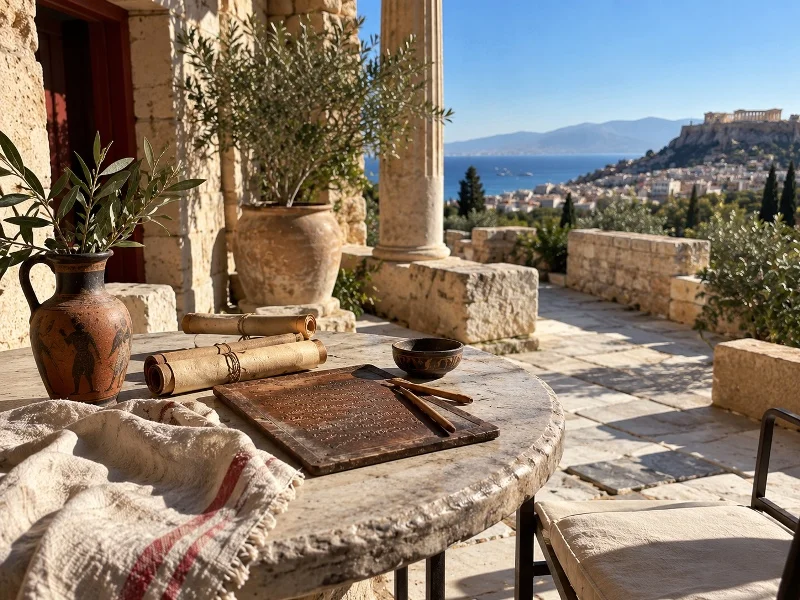
In my previous article, The History of Love Spells: From Ancient Love Magic to Modern Spirituality, I explored how far back the history of love magic can be traced. Ancient Greece and Rome provide some of the best-known surviving examples.
Not all of these practices were romantic in the way we might imagine today. Ancient magical texts and objects include examples of rituals intended to inspire desire, bind a person to another, or prevent a lover from turning their attention elsewhere.
Scholars examining ancient Greek ideas about love often discuss terms such as eros and philia. Eros is associated with passionate or romantic desire, while philia can refer to affection, friendship, and bonds between people. These terms should not be treated as a strict classification of all ancient love spells, but they help illustrate the different ways people understood relationships.
Some surviving rituals sought to intensify desire or influence a particular person's behavior. Others reflected a wish to preserve affection or maintain a relationship.
Two familiar human concerns appear in these practices:
“I want this person to desire me.”
“I don't want the person I love to leave me.”
The historical details varied, but the emotions behind these wishes remain recognizable today.
European Folk Love Magic
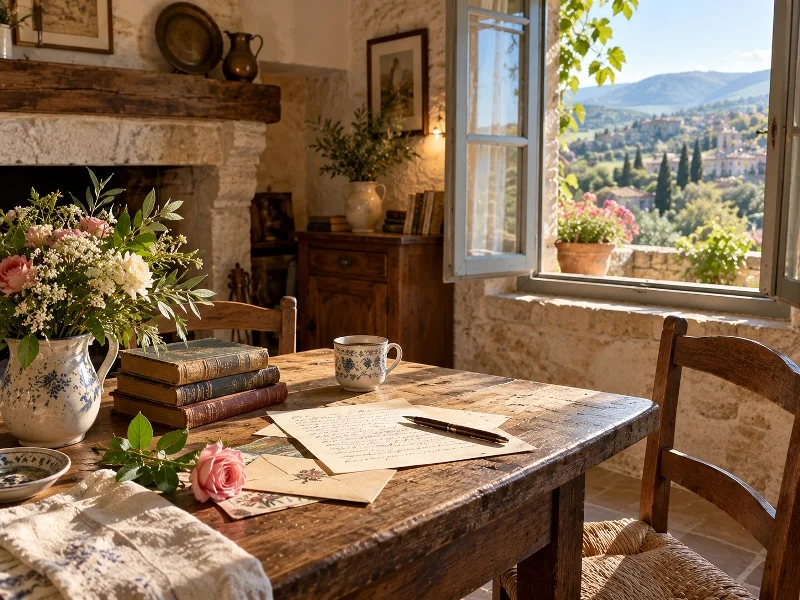
Across different parts of Europe, beliefs about love magic became connected with local folklore, plants, charms, religious influences, and household traditions. There was no single European system; practices and meanings varied across regions and periods.
Plants and flowers often carried symbolic associations. Roses, for example, became widely associated with romance, while other plants and roots appeared in folk beliefs concerning attraction, fertility, marriage, or protection.
Love potions also appear in European folklore and literature. Stories describe ingredients prepared with particular words or rituals in the hope of inspiring desire. These accounts tell us about cultural beliefs and fears, but they do not establish that a potion can make another person fall in love.
Personal belongings could also hold symbolic importance. Hair, clothing, written names, and other objects associated with a particular person sometimes appeared in folk-magic practices. The underlying idea was that an object connected to someone could represent that person within a ritual.
Similar ideas can be found in different folk traditions, although the beliefs and practices should not automatically be treated as identical. Understanding their local context is important when comparing love magic across cultures.
Love Magic in Hoodoo Traditions
When discussing folk magic in the United States, Hoodoo deserves particular attention. It is also a tradition that is frequently misunderstood or oversimplified.
Hoodoo, often discussed through terms such as rootwork and conjure, developed primarily within African American communities. Its history reflects African cultural influences, Christianity, knowledge of plants, European influences, and the experiences of African Americans across generations.
Depending on the practitioner and tradition, Hoodoo practices may involve roots, herbs, oils, candles, powders, personal concerns, and other symbolic materials. Love and attraction can be among the concerns addressed through this work. People may seek affection, reconciliation, protection, or greater stability in their relationships.
However, Hoodoo should not be reduced to love spells. Rootwork has also been associated with protection, luck, prosperity, justice, healing, and other areas of life.
It is also important to distinguish Hoodoo from Voodoo and Vodou. These names are often confused online, but they refer to different traditions and historical contexts. I explore this distinction in Decoding Hoodoo and Voodoo: History, Beliefs, and Their Differences.
African and Afro-Diasporic Traditions
This is an area where cultural context matters especially. Online discussions sometimes use terms such as African magic, Hoodoo, Voodoo, Vodou, and folk magic as if they described one shared spiritual system. They do not.
Africa contains an enormous diversity of peoples, languages, religions, and cultural traditions. Spiritual practices differ across communities and have changed over time. The forced displacement of African peoples through the Atlantic slave trade also shaped the development of distinct Afro-diasporic traditions in different parts of the world.
In these varied cultural contexts, love, marriage, sexuality, fertility, and family may be important subjects of prayer, ritual, or spiritual reflection. The specific meanings and practices, however, depend on the community and tradition involved.
For this reason, I would avoid describing any single practice as “the African love spell.” Such a phrase overlooks the enormous diversity of African and Afro-diasporic cultures. It is more accurate to discuss a specific tradition when reliable information is available about its history and practices.
Love Magic in Asia
Asia offers another example of how broad the idea of love magic can become. Across the region, people have developed different beliefs and practices involving fate, charms, prayers, amulets, herbs, spiritual practitioners, and relationships.
Even neighboring cultures may understand these practices in very different ways. It is therefore more useful to explore individual traditions than to treat Asian love magic as one unified system.
Southeast Asia: Attraction, Charms, and Folk Beliefs
Parts of Southeast Asia have traditions involving amulets, blessed objects, herbal preparations, prayers, and folk practices associated with personal charm or romantic fortune. Their meanings vary by country, community, and religious context.
Thailand provides one example often discussed in contemporary accounts of attraction and spiritual practice: Maha Sanaeh, a term associated with charm, attraction, or personal magnetism. Certain amulets, oils, or blessed objects may be used by people who believe they can support their appeal or romantic prospects.
These beliefs should be understood as spiritual or cultural practices rather than scientifically established ways to influence another person's feelings.
I also think there is an important ethical distinction between a ritual intended to help someone feel confident and open to a relationship and a practice intended to override a particular person's wishes.
This distinction leads to two very different ideas:
Attracting love means hoping to form a connection with someone who freely reciprocates those feelings.
Controlling love means attempting to determine what another person should feel or do, regardless of their wishes.
Although these ideas can appear together in modern discussions of love spells, they raise different ethical questions.
East Asia: Fate, Matchmaking, and the Red Thread
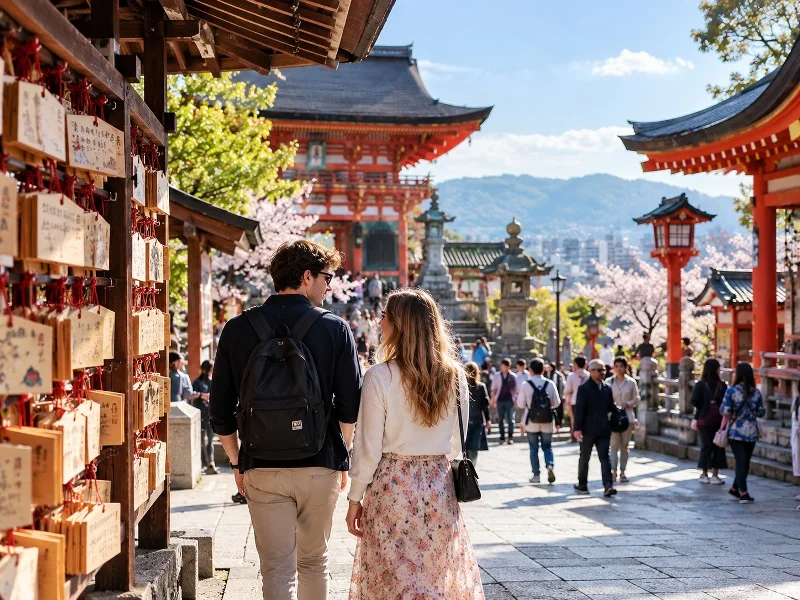
Some East Asian traditions offer a different way of thinking about romantic relationships: love as a connection shaped by fate or destiny.
In Chinese folklore, Yue Lao, the Old Man Under the Moon, is associated with matchmaking. One well-known idea connected with this figure is the red thread of fate, a symbolic thread linking people who are destined to meet.
Whether someone understands this story as a spiritual belief or enjoys it as a romantic legend, its emphasis differs from a ritual intended to force a particular person to fall in love. The red thread suggests that two people may be connected by destiny rather than that one person should control the other.
Japan offers another relevant concept: en-musubi, which is associated with forming or strengthening meaningful connections. Some Shinto shrines are known for prayers related to relationships and matchmaking. Visitors may pray for love or marriage and obtain omamori, protective charms associated with particular wishes.
It would be misleading to label all these practices as love spells. They belong to their own religious and cultural contexts, and their meanings cannot be understood simply by placing them under a modern English term.
South Asia: Attraction, Vashikaran, and Spiritual Traditions
South Asia has a long and complex history of religious, philosophical, and ritual traditions that explore desire, marriage, relationships, and human connection.
One term frequently encountered in modern discussions of attraction and influence in Indian contexts is Vashikaran. Its interpretation varies, but it is often presented in contemporary sources as a practice intended to influence or attract another person.
Some modern websites market Vashikaran as an “Indian love spell.” That description can be too simplistic, especially when it ignores the different historical, religious, and cultural contexts in which the term is used. Commercial claims about guaranteed romantic results should also be treated cautiously.
The ethical question is worth considering here, as it is with other forms of love magic. Wanting to meet a partner or build a relationship is different from wanting to remove another person's freedom to say no.
The same care is needed when discussing Tantra. In modern Western culture, Tantra is sometimes presented almost entirely in terms of sexuality. Traditional Tantric systems, however, encompass a much broader range of religious and philosophical practices.
Rather than treating Tantra as a type of love spell, it is more accurate to recognize that South Asian traditions contain diverse approaches to spirituality, desire, the body, and human connection. Their differences deserve more attention than a single label can provide.
Modern Western Witchcraft and Wicca
In contemporary Western witchcraft, some forms of love magic use candles, crystals, written intentions, visualization, meditation, or other symbolic practices. These practices vary widely, and not everyone who uses them understands them in the same way.
A pink candle may symbolize affection, while rose quartz is often associated in contemporary spiritual communities with love or emotional openness. Someone might write down the qualities they hope to find in a partner or visualize the kind of relationship they want to build.
These examples do not represent every witchcraft tradition or every Wiccan practitioner. Wicca and other forms of modern witchcraft are diverse, and their beliefs and ethical approaches differ.
Some people use rituals to focus on their own intentions rather than to influence a particular person. They may approach the practice as a way to reflect on their needs, clarify their hopes, or prepare themselves for a healthy relationship.
Personally, I find that approach more meaningful than the idea of trying to control someone else's feelings. It leaves room for spiritual belief while recognizing that a relationship depends on the choices of both people.
From Controlling Someone to Attracting Love

After looking at these different traditions, one distinction stands out to me more than anything else.
There is a significant difference between saying:
“Make this person love me.”
and saying:
“Help me open myself to love.”
The first begins by deciding what another person should feel. The second begins with self-reflection and the kind of relationship someone hopes to build.
A person might light a candle, carry a symbolic object, pray, meditate, write down their hopes, or practice manifestation. Whether these actions have supernatural power is a matter of personal belief. They may nevertheless provide an opportunity to reflect on relationships and personal choices.
What kind of relationship am I actually looking for? Why am I holding on to someone who does not want the same relationship? Am I looking for love, or am I afraid of being alone?
These questions may be more helpful than a promise that a ritual can control another person's heart. They bring attention back to what we can influence: our own choices, boundaries, and readiness to build a relationship based on mutual respect.
What Love Spells Around the World Tell Us
From ancient Greek and Roman magical practices to European folk beliefs, Hoodoo, Asian matchmaking traditions, and modern witchcraft, there is no single universal history or form of the love spell.
The rituals differ. Their religious backgrounds differ. Their cultural meanings differ. Some practices are intended to attract a partner, some express hopes for a lasting relationship, and others reflect the desire to influence a particular person's feelings.
Yet the emotions behind these practices are familiar. People want to be loved. They fear rejection, experience jealousy, grieve after breakups, and hope that someone will return. When ordinary life offers no clear answer, some people turn to fate, prayer, spiritual traditions, magic, or the universe for meaning.
That may help explain why love magic continues to interest people. Its forms and interpretations change, but the human desire for love and connection remains.
For me, one of the most meaningful distinctions in modern spirituality is the difference between asking, “How can I make someone love me?” and asking, “How can I become ready to give and receive love?”
The first seeks control over another person's heart. The second leaves room for mystery, spirituality, and hope while respecting another person's freedom to choose.
Whatever we believe about love spells, that freedom matters. A meaningful relationship is not simply about attracting someone; it is about building a connection in which both people are willing to be there.