I once worked for a company that went through several changes in its size and leadership. Eventually, the management decided to move our office to another building, not very far from the old one.
The new location had several advantages. It was more spacious, surrounded by greenery, and had plenty of natural light. The atmosphere was open and comfortable, with trees visible through the windows. I thought it was a good change for everyone.
But what surprised me wasn't the new building. It was how carefully my boss prepared for the move.
We were informed of the moving date in advance, and I later learned that my boss had asked a Feng Shui master to choose it. Several other decisions about the new office were also made with his advice.
The location and direction of my boss's desk, the arrangement of furniture, the placement of plants and flowers, and even certain colors were selected according to Feng Shui principles.
I was a little surprised. I had heard about superstitions surrounding moving into a new home, but I hadn't realized that some business owners paid just as much attention to spiritual traditions when moving offices.
I previously wrote about superstitions and things to avoid when moving into a new home . After witnessing our office move and later learning more about folk spirituality, I began to understand how many traditions are connected with moving to a new workplace.

Choosing a Lucky Day to Move Offices
For my boss, choosing the moving date was one of the first important decisions.
In some Asian traditions, people consult the lunar calendar or a Feng Shui practitioner to find a favorable day for moving into a new home or workplace. The date may be considered in relation to the business owner's birth year, the direction of the building, or traditional beliefs about fortunate and unfortunate days.
Other cultures have their own beliefs about lucky and unlucky dates. In the United States, for example, some people prefer to avoid making important decisions on Friday the 13th.
I have written separately about why the number 13 is considered unlucky , a belief that has survived for generations.
Personally, I also see a practical side to choosing a good moving day. If the weather is clear, transportation goes smoothly, and nothing unexpected interrupts the move, I would already consider that a fortunate beginning.
Sometimes good luck starts with something as simple as having everything go according to plan.
Feng Shui and the Arrangement of the New Office
One thing I remember clearly was the arrangement of my boss's desk.
It wasn't placed wherever there was enough room. Its location and direction had already been decided after consulting the Feng Shui master.
The plants were arranged carefully as well. Certain flowers, colors, and decorative objects were selected to suit the person leading the company.

In traditional Feng Shui, the arrangement of a space is associated with the movement of qi, often described as vital energy. Entrances, windows, furniture, lighting, and the direction a person faces while working can all carry spiritual meaning.
Some business owners pay particular attention to the main entrance, believing it is where opportunities and positive energy enter the workplace. Others focus on the manager's desk, hoping to encourage stability, authority, and favorable business relationships.
Looking back, I remember how different the new office felt. There were more plants, more daylight, and more room to move around. It was a pleasant place to work, and I could see why my boss wanted everything arranged so carefully.
Cleansing the Office Before Moving In
Another detail caught my attention.
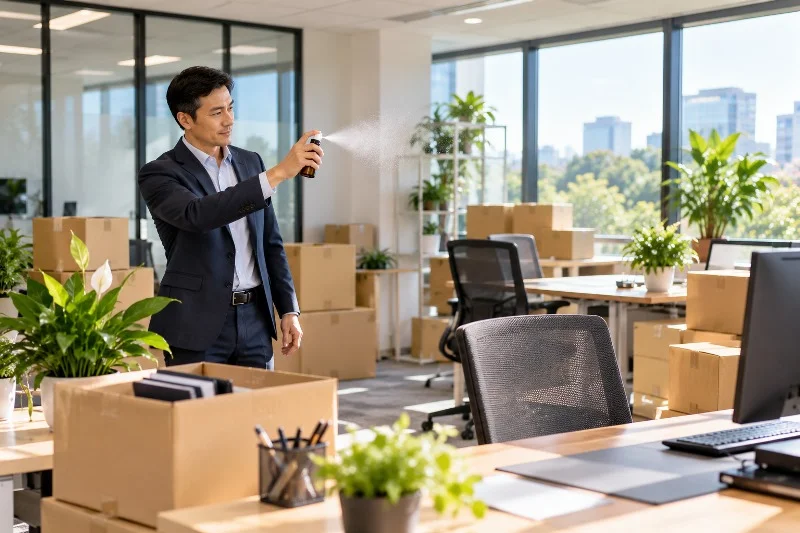
Before everyone settled into the new workplace, my boss arranged for a light cleansing of the space. There was a gentle scent of incense and aromatic oils.
He also sprayed a particular oil around parts of the office. I never found out exactly what it was because he didn't explain it. But from the care he took, I had the impression that it held some spiritual meaning for him.
Later, when I began learning more about folk spirituality, I discovered that cleansing a new workplace is a practice found in different forms across many cultures.
Some people burn incense or use fragrant herbs. Others invite a religious figure to bless the premises, say prayers, or place sacred objects in certain locations. Some believe that a previously occupied building may retain negative spiritual influences and want to cleanse the space before beginning work there.
These customs vary depending on cultural and religious traditions. For my boss, the cleansing was simply part of preparing the new office before ordinary business resumed.
Bringing a Lucky Object From the Old Office
There was one small detail that stayed in my memory for years.
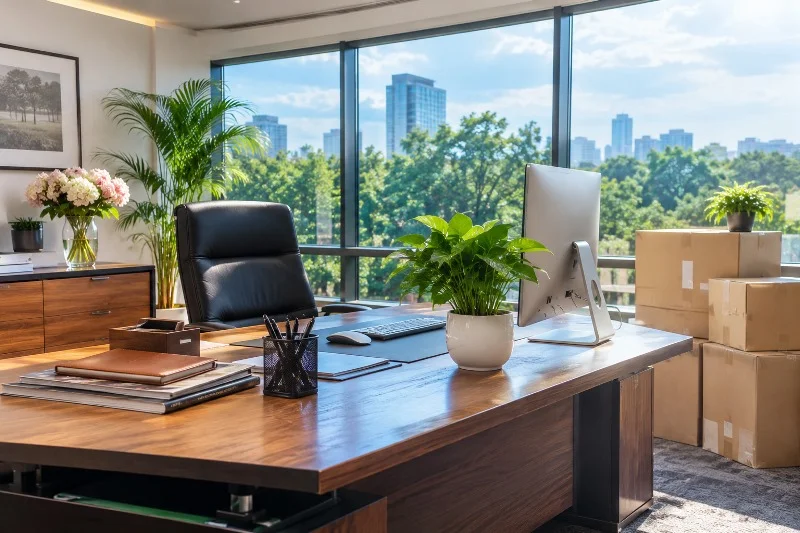
My boss brought a small potted plant from his old office to the new one.
He placed it close to his desk, almost exactly where it had stood before the move.
At the time, I thought it was simply a plant he liked. But after seeing how carefully he had arranged everything else, I began to wonder whether the plant meant something more to him.
Perhaps it reminded him of the company's earlier achievements. Perhaps he considered it a lucky object. I never asked, so I cannot say for certain.
In some workplace traditions, people keep objects associated with successful moments. It might be a pen used to sign an important contract, a coin from the first sale, a religious item, or a plant that has been part of the office for many years.
I discussed similar beliefs in my article about workplace superstitions.
To someone else, these may be ordinary possessions. But to the person who keeps them, they can represent continuity, confidence, and a connection with earlier success.
Moving to a new office doesn't always mean leaving everything from the past behind.
Other Spiritual Traditions When Moving to a New Workplace
As I learned more about spirituality, I came across other customs connected with moving offices and starting work in a new location.
Some traditions involve placing small amounts of salt in selected areas as a symbol of purification or protection. Others use lucky coins, prosperity charms, religious objects, or plants believed to attract good fortune.
In businesses influenced by Chinese cultural traditions, objects associated with prosperity may be placed near the entrance or reception area. Some owners also consult Feng Shui practitioners about the flow of energy through the building.
Other business owners seek spiritual guidance before making major changes. They may consult an astrologer about a favorable moving date or ask a Tarot reader about possible difficulties and opportunities surrounding the transition.
These beliefs are also connected with the wider world of business superstitions and good luck traditions.
Not every office follows these customs. Some practices are inherited from family or culture, while others come from the personal beliefs of the business owner.
What they often share is the desire to begin work in a new place with favorable circumstances and a sense of protection.
Can These Traditions Really Bring Good Luck?
I have thought about this question many times, especially after witnessing how carefully my boss prepared for our office move.
If we choose a moving day with good weather, arrange transportation properly, prepare the new workplace in advance, and avoid unnecessary interruptions, I would already consider that a fortunate beginning.
But there is another side to the question.
Imagine a business owner who has believed in Feng Shui or certain moving customs for many years. When the company relocates, that person may feel that choosing a favorable date or performing a blessing is an important part of the process.
Now imagine those traditions are ignored.
Perhaps everything goes smoothly at first. But several months later, the business encounters difficulties. Sales decline, a partnership fails, or an important project doesn't work out.
That person might begin wondering whether something went wrong during the office move. They may remember the date they chose, the ritual they skipped, or an object they forgot to bring.
Instead of concentrating fully on the business problem, their thoughts may return to something that happened months earlier.
This is why I think personal belief matters.
If choosing a favorable date, placing a familiar plant near the desk, or saying a prayer helps someone begin without carrying that worry, I see no reason to dismiss those traditions, provided they remain simple and reasonable.
I wouldn't support spending large amounts of money on rituals or allowing spiritual advisers to control every business decision. But for someone who sincerely believes in these customs, following a familiar tradition may help them move forward with a calmer mind.

Do I Believe in Office Moving Superstitions?
Yes, I do.
I believe our thoughts, intentions, and emotions can create a kind of energy that influences how we approach life and work. When a business owner moves into a new office with confidence and positive expectations, I believe that energy can also reach the people working alongside them.
A leader's confidence can influence employees, encouraging them to feel more secure, motivated, and willing to work toward a shared goal. To me, this is one way positive energy can spread throughout a workplace.
That is why I understand people who choose a lucky moving date, arrange their office according to Feng Shui, or perform a small spiritual ritual before starting work. If these traditions strengthen their confidence and bring them peace of mind, I believe they have meaning.
Of course, spiritual beliefs should never replace practical decisions. A company still needs good leadership, a clear strategy, and people willing to work hard. But I see no reason why spirituality and practical thinking cannot exist together.
Looking back at our office move, I still remember the small plant my boss brought from his old office and placed beside his desk. I never knew whether he considered it lucky or simply wanted to keep something familiar.
But I now see his preparations differently. He wasn't just moving furniture into another building. He was carrying his beliefs, hopes, and expectations into a new chapter of the company's future.
And perhaps that is why I believe there is still a place for spirituality, even in a modern workplace.